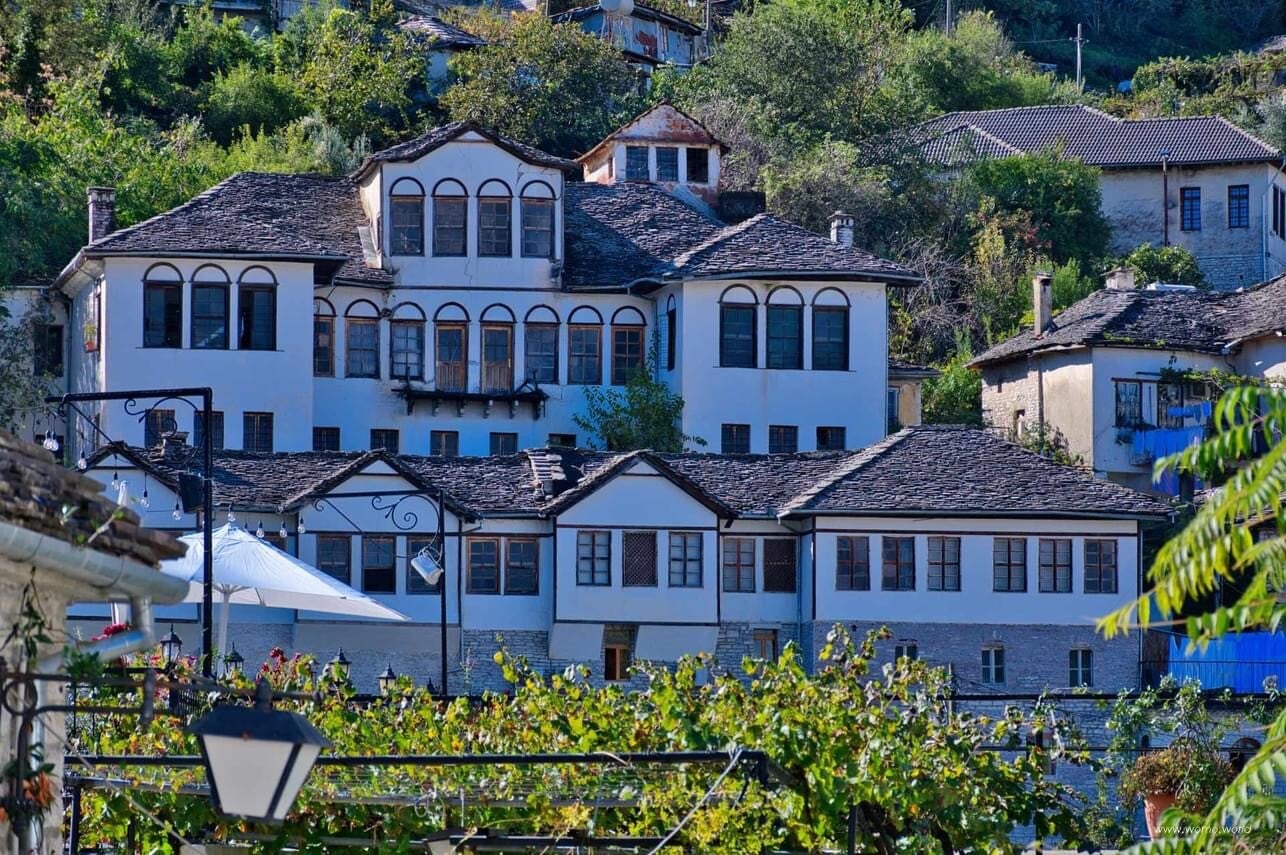
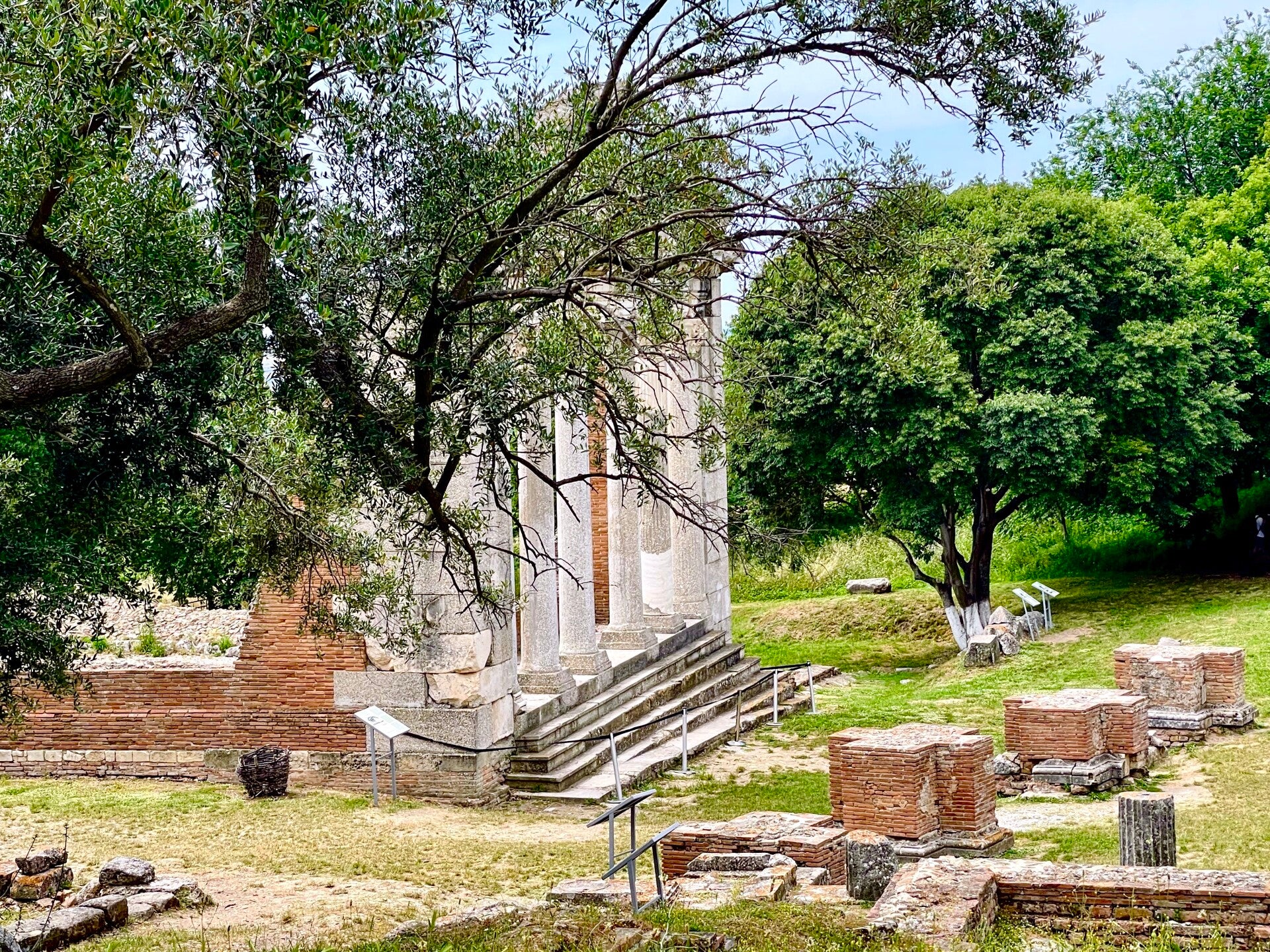
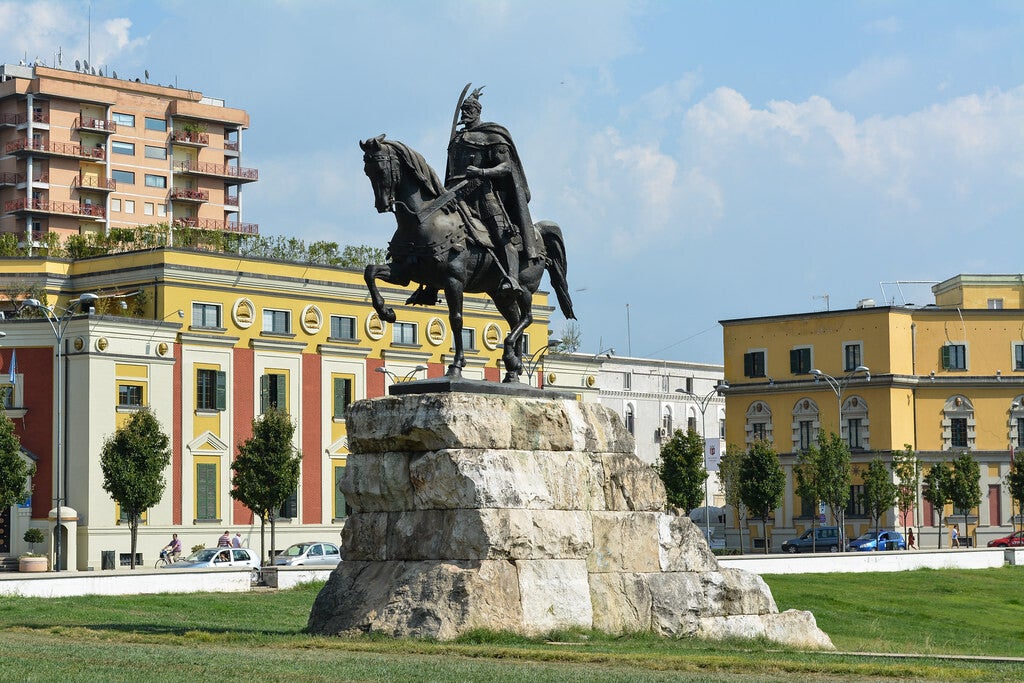
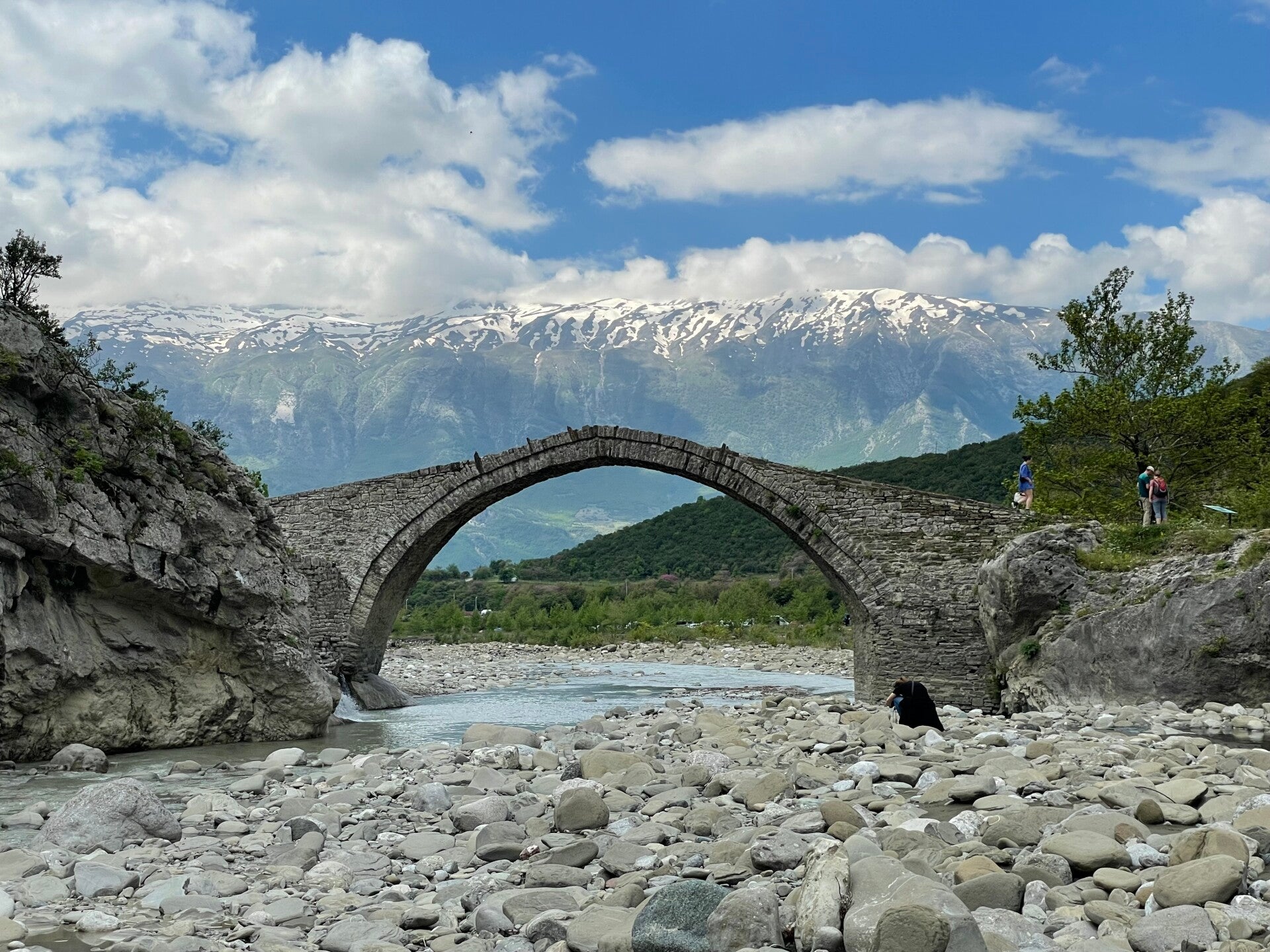
Discover Albania on a cultural journey that blends ancient history, living traditions, and breathtaking landscapes. This tour takes you through some of the country’s most remarkable places, where centuries of civilizations, vibrant culture, and warm hospitality come together. Wander through the stone streets of Gjirokastër, the UNESCO-listed “City of Stone,” where Ottoman houses climb the hillside beneath its dramatic castle. Continue to Berat, the “City of a Thousand Windows,” where white houses and cobbled lanes tell stories of centuries of coexistence between cultures and faiths. Step further back in time at the ancient ruins of Butrint and Apollonia, two of the most important archaeological sites in the Balkans, where Illyrian, Greek, Roman, and Byzantine history unfolds among olive groves and quiet landscapes.  Along the way, experience Albania’s rich traditions and cuisine. Taste homemade specialties, local olive oil, fresh seafood, mountain cheeses, and traditional dishes shared in family-run guesthouses. The journey also leads along the spectacular Albanian Riviera, where turquoise waters meet dramatic coastal mountains and charming seaside villages. Finally, explore the vibrant energy of Tirana, Albania’s colorful capital, where Ottoman heritage, Italian architecture, communist history, and contemporary creativity shape a dynamic modern city. This cultural tour offers an inspiring introduction to Albania — a land of ancient civilizations, living traditions, stunning landscapes, and unforgettable hospitality.

4 days intensive Tour in the Main touristic attractions of Albania and the Riviera along the Ionian Coast intensive.

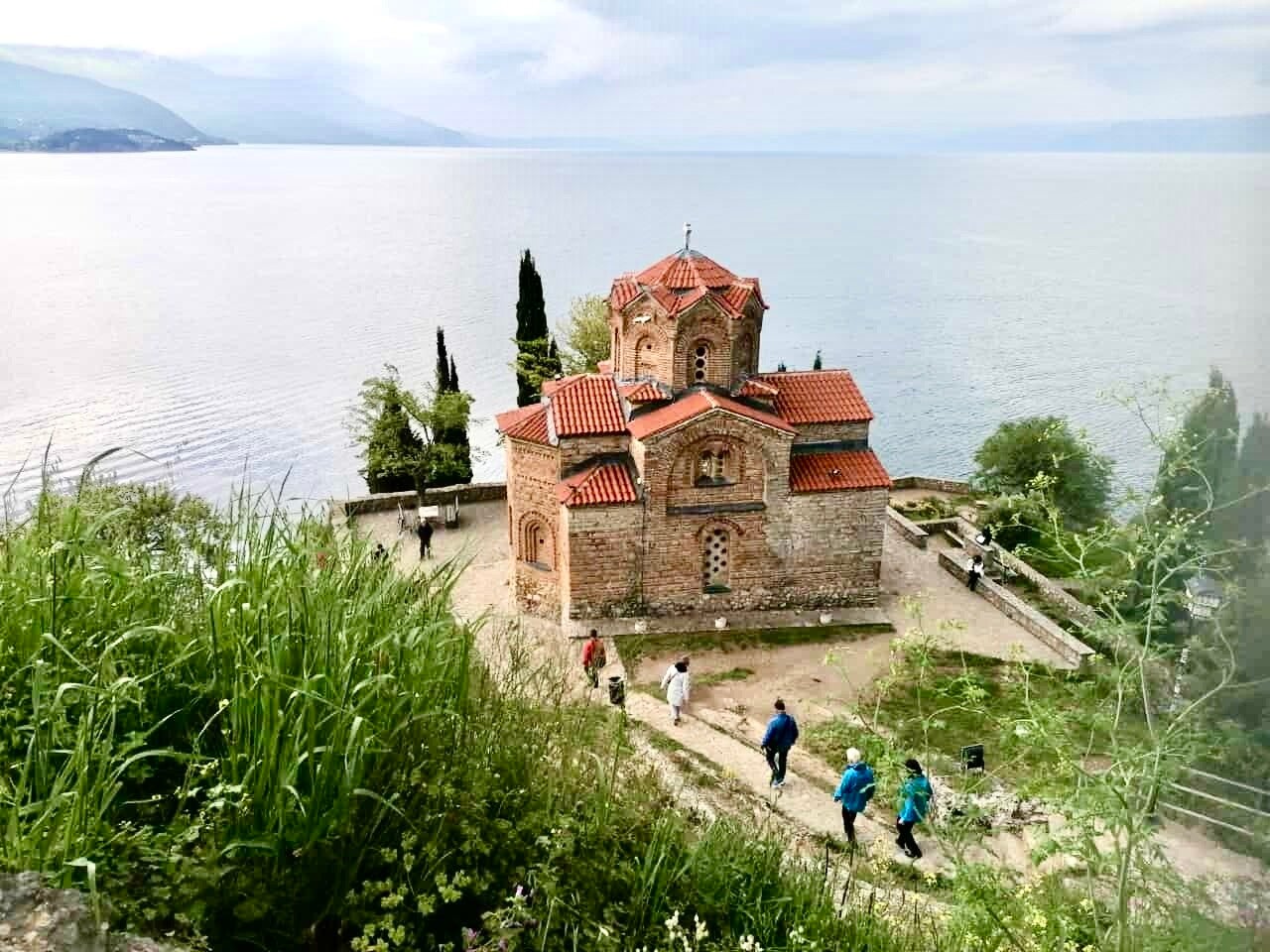
8 days in South Albania with escape in North Macedonia between historical and landscape attractions

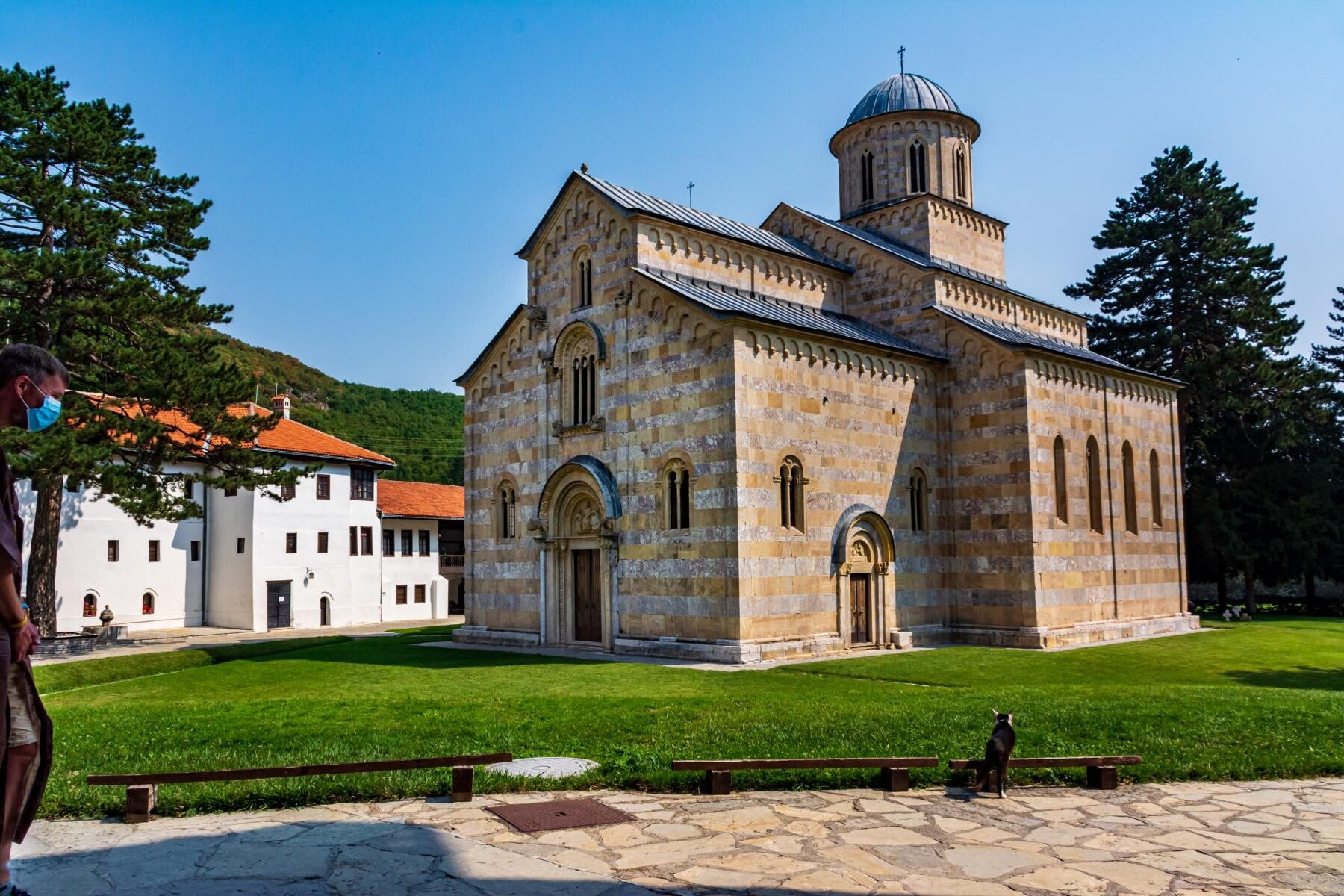
8 days between Albania, Kosovo, North Macedonia and Montenegro. through the traditions and history of the Balkans

Join us on a journey through the last secret of Europe: Albania and the Western Balkans. Experience the majestic beauty, vibrant diversity, and heartwarming generosity of this region, from the towering mountains to the azure coast, from the rich past to the thriving present. Discover the enchanting wonders of Albania and the Western Balkans with us. Dive into the crystal-clear waters, climb the unspoiled mountains, taste the mouth-watering food, learn the fascinating history, admire the captivating cultural heritage, the harmonious religious diversity, and feel the welcoming warmth of the people. 
For any Questions or Information.  or if you would like to have your tailored Trip please write or call us

General Informations

Why with wanderlust albania®

because our journey began in the early 2006, born from a deep ❤️for our homeland and a sincere desire to share it with those who wish to discover it. Since then, our footsteps have crossed nearly every corner of the region—over remote mountain passes, through forgotten archaeological sites, and along ancient paths shaped by time and tradition. We have sat at countless tables with our guests: in the warm kitchens of local families, inside shepherds’ huts high in the mountains, in small, family-run restaurants, and in villages where hospitality is still a way of life. These moments, as much as the landscapes themselves, have shaped who we are.

All of this experience is what we now share with our guests. Our mission goes far beyond organizing tours. We aim to offer the true touch of Albania, so that, in the end, every traveler leaves not only with photographs, but with a genuine piece of the country carried in their heart.

Dive beneath the surface and truly get to know your destination. Create meaningful emotional connections through authentic encounters with local people, and fill your journey with depth, warmth, and lasting memories.

Our tours are designed to immerse you in the nature and culture of Albania. Discover extraordinary biodiversity and dramatic landscapes, explore ancient ruins, admire medieval architecture, and encounter the timeless highlander way of life—where tradition, resilience, and hospitality remain deeply rooted.

Can i book as self-driver, or as self-hiker these tours

Prefer to explore on your own way? You can also book these tours as self-guided. Travel whenever you want and with whomever you choose. Our self‑guided tours give you the freedom to explore at your own pace, allowing you to move independently and enjoy each day on your own terms.  Self‑guided travel is a budget‑friendly alternative to a private guided tour, without compromising on comfort or organization. We take care of all the planning and reservations, so you can focus entirely on the journey and the experience. Accommodation, transfers, and luggage transport are fully arranged in advance. You will receive a detailed roadbook with comprehensive information on routes, daily logistics, and your hosts along the way. To support your navigation, we provide the GPX files are also available for use with your preferred GPS navigation app.

You will become all reservations, transfers and stays, meals, the GPX coordinates as described on this Tour

Language & Communication

What is the official language of Albania:  The official language is Albanian. It is a unique branch of the Indo-European language family and is not closely related to other languages.  Albanian has two main dialects: Tosk (spoken in the south) and Gheg (spoken in the north).

Will I have trouble communicating if I don’t speak Albanian? Not at all. Albanians are known for their friendliness and hospitality. Even if they don’t speak your language, they will make an effort to help you—sometimes through gestures or body language.

In tourist areas and cities, communication is easy. Younger generations often speak English, Italian, German, and French. Older generations are generally more comfortable with Italian.

Should I feel hesitant to ask for help if I don’t speak Albanian? Absolutely not. Albanians are welcoming, and you’ll find that most people will try their best to assist you, whether through spoken language or non-verbal communication.

Security, Health System & Insurance in Albania

Yes. Albania is generally considered safe for travelers, with low crime rates compared to many European destinations. Petty theft can occur in busy tourist areas, so it’s wise to take standard precautions such as keeping valuables secure and being mindful in crowded places.

How does the healthcare system work in Albania, Public healthcare: Albania has a government-funded healthcare system that provides basic medical services. However, facilities in rural areas may be limited, and waiting times can be long. Private healthcare: In larger cities like Tirana, private clinics and hospitals offer faster service and higher standards of care. Many foreign visitors prefer private facilities for non-emergency treatment.

Do I need health insurance when visiting Albania? Yes. Health insurance is strongly recommended and often required:

  • Short-term visitors: Insurance covering at least €30,000 in medical expenses, including emergency care and repatriation, is advised. ( up to the Inssurance Provider from the respective Country )

  • Visa applicants: Proof of health insurance is mandatory for most visa types. EU citizens staying under 90 days are exempt but are still encouraged to have coverage.

What type of insurance should I get? Travel insurance: Best for short-term tourists, covering emergencies, accidents, and repatriation.  International health insurance: Recommended for expats or long-term stays, ensuring access to both public and private healthcare. Local insurance: Available for residents and long-term visitors, but less practical for short-term tourists. Are hospitals and pharmacies easily accessible? In major cities and tourist destinations, hospitals and pharmacies are widely available. In remote or mountainous areas, access may be limited, so carrying essential medication and a basic first-aid kit is advisable. for some specific medecines you will need always a description from a Doctor. 

Driving in Albania

Is driving in Albania safe :  Driving in Albania can sometimes feel adventurous, especially if you’re exploring remote areas or mountainous regions. While most main roads are in relatively good condition, some rural routes may be unpaved and require extra caution.

What is the quality of the roadsin the tourist areas: Roads are generally well-maintained and asphalted, making travel smooth and convenient. in the Mountainousor remote areas: Roads can be rough, narrow, or unpaved. A vehicle with good clearance is recommended if you plan to explore off-the-beaten-path destinations.

Does traffic affect travel times.  Yes. During the high season (summer months), traffic in popular tourist regions can be heavy, which may increase driving times. Planning ahead and allowing extra time for your journey is advisable

Internet and Electricity

In Albania use Type C and Type F sockets (the same as most of continental Europe). Voltage is 220V, and frequency is 50Hz. Travelers from countries with different plug types (like the UK or USA) will need an adapter. In major cities and tourist areas, electricity is generally stable. However, in rural or remote regions, occasional power fluctuations or outages can occur. If you’re traveling with sensitive electronic equipment, consider bringing a surge protector.

internet  infrastructure has improved significantly in recent years. Mobile data coverage is strong in cities and tourist destinations, with Vodafone Albania and ONE Albania Mobile Providers are offering the best nationwide coverage. Public Wi-Fi is available in many hotels, restaurants, and cafes, though speeds can vary.

Hw to get online? Local SIM cards: Affordable prepaid packages are available, especially from Vodafone, offering generous data allowances.  Roaming: EU travelers may benefit from roaming Packages from her countries mobile providers , but check with your provider for costs. 

Wi-Fi: Widely available in urban areas, though less reliable in remote villages or mountain regions. Bestmode staying connected is to buy a local SIM card upon arrival for the best value and coverage. If you plan to hike or visit rural areas, download offline maps and keep a power bank handy, as coverage can be limited in the mountains.

Albanian Cuisine

 Albania’s fertile climate, closeness to the sea, and rich history have shaped a diverse culinary tradition.  Yes. Each region has its own specialties, though meat and vegetables are the foundation of most dishes. Northern Albania: Ground corn is widely used, from baking bread to preparing traditional sweets and savory dishes.Central Albania: Poultry and fish are common, reflecting the region’s geography. Southern Albania: Known for citrus fruits, olives, and dairy-based dishes, thanks to the favorable climate.  Albania’s climate supports the growth of nearly all fruits and vegetables, making fresh produce central to the cuisine. Desserts and savory pastries like byrek (salty pies) are staples across the country. The national drink is grape brandy, known as Raki. Albania also produces wines that are highly appreciated for their taste and quality.

Currency

The currency in Albania is the Lek (ALL), but the Euro is widely accepted. You can also pay in Euros, though any change will be given in the local currency. Card payments are possible in cities, particularly in restaurants, hotels, and various stores. However, cash remains the preferred method of payment. In remote areas, such as mountain regions or villages, the possibility of paying by card is limited

Religion

Albania is a seculary state. There are four main religious beliefs in Albania.
These belong to the Sunni Muslim, Orthodox Christian, Catholic Christian and Bektashi Muslim. Followers of Islam are found throughout the country. Catholics are concentrated mostly in the northern part of the country, the Orthodox in the south and center of the country, and the Bektashi sect of Sufism is found in some specific regions such as Skrapar, Krujë, Elbasan, Mat, Mallakastër, Korçë, etc. Freedom of religion is a right guaranteed by the Albanian Constitution. Besides official religions, it has also followers of other as those of Baha’is, Christian Evangelicals, Jehovah’s Witnesses, etc. Additionally there are also atheists and non-religious people.

Albania became unique in Europe in 1967, when all religious activity was banned by closing down churches, mosques, religious schools and tekkes. For about 23 years, Albania was the only atheist country in the world. In 1990, after a democratic movement, the freedom of religion was restored and churches and mosques were rebuilt, as well as many other religious buildings. Albania has several places of religious pilgrimage. The most important are those in honor of Shna Nues (St. Anthony) on 13 June at the Church of Lac, the pilgrimage of Abas Ali on 19 August in Tomorr Mountain, the one in honor of St. Mary on 15 August in some of the churches across the country, the pilgrimage in honor of Sari Salltik in Kruja and others

Climate

Albania has a Mediterranean climate with each season offering distinct- yet pleasant weather. Some features of the climate vary by region: The coastal areas have a Central Mediterranean climate with mild, wet winters and hot, dry summers. The alpine areas have a Central Continental climate with cold, snowy winters and temperate summers. The lowlands have mild winters, averaging about 7°C, and summer temperatures average 24°C. Lowland rainfall ranges from 1,000 mm to more than 1,500 mm annually, with greater rainfall in the north. Nearly 95% of rainfall occurs in the winter and rainfall in the upland mountain ranges is heavier. Despite the rain, Albanians enjoy a great deal of sunshine. The overall climate is pleasant and is favorable for outdoor activity. On average, Albanians enjoy a great deal of sunshine, second only to Spain (in Europe) in average annual sunny days